Practical Steps for Insurance Fraud Prevention in Vehicle Registration
Insurance fraud costs the UK billions every year, and a surprising amount of it starts with something as simple as a number plate. When criminals clone plates or manipulate vehicle identities, the ripple effects hit honest drivers hard: higher premiums, legal headaches, and even wrongful fines. I've spent years working alongside fraud investigators and motor insurers, and one thing is clear: the best defense is a layered approach that combines technology, vigilance, and timely information.
Most people think of insurance fraud prevention as something that happens after a claim is filed. But the real work happens long before that, at the point of vehicle registration and identity verification. If a car's identity is compromised from the start, every insurance policy tied to it becomes a ticking time bomb. This is where understanding the mechanics of vehicle registration fraud becomes essential for both individuals and businesses.
How Vehicle Identity Theft Fuels Insurance Fraud
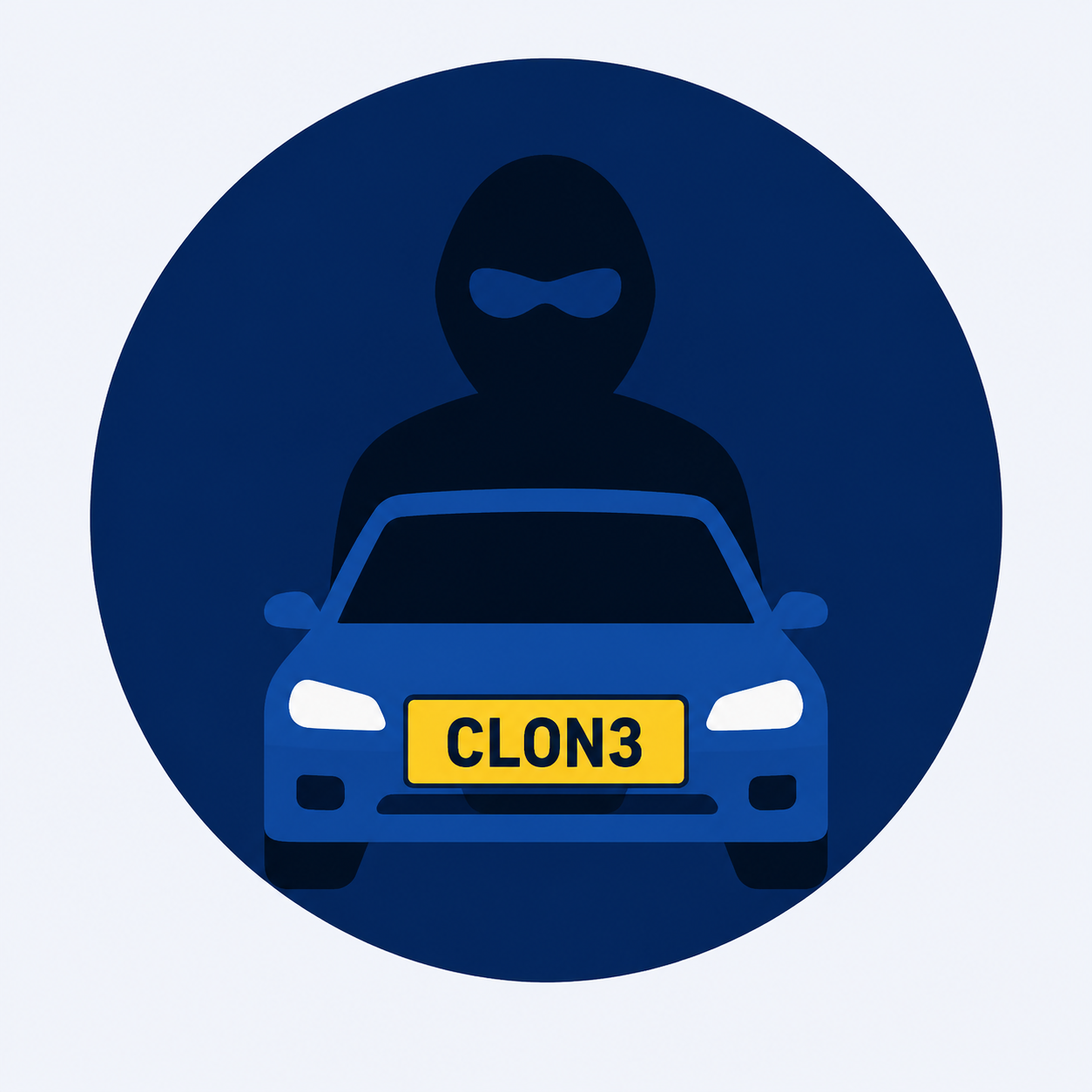
Vehicle identity theft, often called number plate cloning, involves criminals copying the registration mark of a legitimate vehicle and attaching it to a similar model. The clone car then operates under the stolen identity, racking up speeding tickets, parking fines, and even being used in serious crimes, all while the genuine owner gets the blame. When it comes to insurance, the fraudster may take out a policy on the clone using the real vehicle's details, then stage a crash or report a theft to claim money. The insurer ends up paying out on a policy that was never properly underwritten.
I've seen cases where a driver only discovers their identity has been stolen when they receive a penalty notice for a car they've never driven. By then, the damage is done: their insurance record is tainted, premiums soar, and they face a long battle to prove their innocence. This is why insurance fraud prevention must start with securing the vehicle's identity from the moment it's registered.
The Role of Data Systems in Prevention
Modern prevention relies on accurate, real-time data. The motor insurance database (MID) is a central repository that insurers check to verify whether a vehicle is insured. But the MID is only as good as the data fed into it. If a cloned car's details match a legitimate vehicle on the MID, the system sees no red flag. That's why additional layers like the police national computer and the Driver and Vehicle Licensing Agency (DVLA) records must be cross-referenced.
A robust fraud prevention network brings these sources together through data matching. When a vehicle history check or vehicle identity check is performed, the system compares the registration mark, vehicle mark, and other identifiers against multiple databases. Discrepancies, such as a car that is supposed to be a different colour or model, can indicate a clone. Secure verification processes ensure that only authorised parties can access and update this information, reducing the risk of internal fraud.
Automated Number Plate Recognition as a Watchdog
Automated Number Plate Recognition (ANPR) cameras are now common on UK roads, not just for enforcing traffic laws but also for spotting cloned plates. These cameras read every plate they see and check it against databases of vehicles reported stolen or cloned. If a plate is flagged, the system triggers a real-time alert to authorities. I've spoken to police officers who say ANPR is one of their most effective tools for catching vehicle registration fraud in action. However, ANPR relies on the plate being in the database in the first place. That's why it's crucial for drivers and businesses to report any suspicion of cloning immediately.
For fleet operators or dealers who handle many vehicles, integrating a real-time alert system into their own processes can be a game-changer. When a vehicle is sold or transferred, confirming its identity through electronic vehicle registration and checking the certificate of entitlement against the physical vehicle can stop fraud before it reaches an insurer's desk.

Practical Steps for Drivers and Businesses
Insurance fraud prevention doesn't have to be complicated. Here are some concrete actions that make a real difference:
- Check your vehicle's history before buying a used car. A vehicle history check can reveal if the car has been written off, stolen, or has outstanding finance.
- Protect your private registration number. If you have a personalised plate, keep the paperwork secure and consider using a fraud prevention network that offers monitoring.
- Verify the identity of any vehicle you sell or buy. Use a vehicle identity check service that cross-references the DVLA and police databases.
- If you receive an unexpected fine or penalty notice, act immediately. It could be the first sign of number plate cloning.
- Report suspicious vehicles to the police and your insurer. Even if you're not sure, a report can help build a pattern.
The Human Element
Technology alone isn't enough. I've seen too many cases where a fraudulent claim was paid out simply because no one questioned a small inconsistency. A driver might notice that the colour on their insurance certificate doesn't match their car, but assume it's a typo. Those small details are often the only clue. Insurers and brokers who train their staff to look for mismatched data, such as a vehicle mark that doesn't match the model, catch far more fraud than those who rely purely on automated checks.
Insurance fraud prevention also depends on public awareness. Many drivers don't realise that their number plate can be cloned until it's too late. Simple habits, like covering your plate when your car is parked for long periods or not posting photos of your plate online, can reduce the risk. And if you own a business that manages a fleet, regular audits of your vehicles' identities should be standard practice.
Looking Ahead
The fight against vehicle registration fraud and identity theft is ongoing. As criminals get more sophisticated, so must the methods to stop them. The future of insurance fraud prevention will likely involve even tighter integration between the DVLA, the police, insurers, and verification networks. Real-time data sharing and advanced data matching will become the norm, not the exception. For now, the most effective approach is combination: using secure verification tools, staying alert to the signs of cloning, and never assuming it won't happen to you.

Whether you're a private driver insuring a family car or a business with a fleet of vans, taking these steps seriously protects not just your finances but your peace of mind. Insurance fraud prevention isn't just the insurer's job. It's everyone's responsibility.
Ends · INSURANCEFRAUDPREVENTIONMARKET